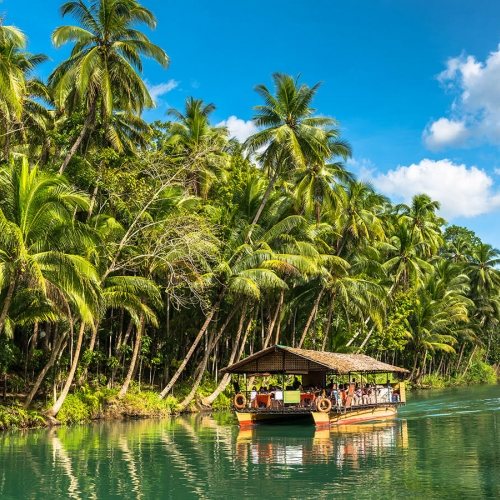
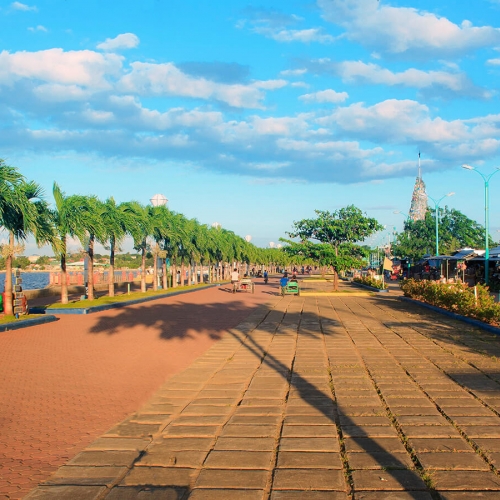
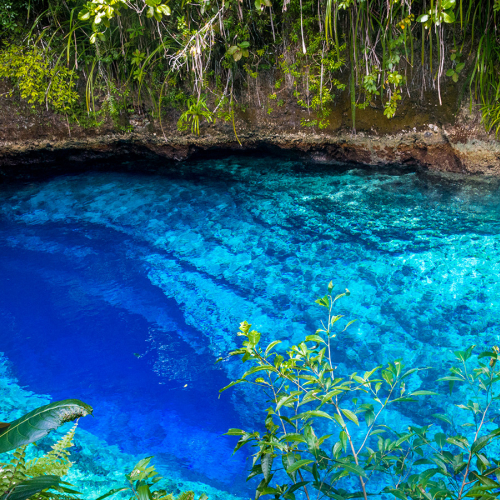
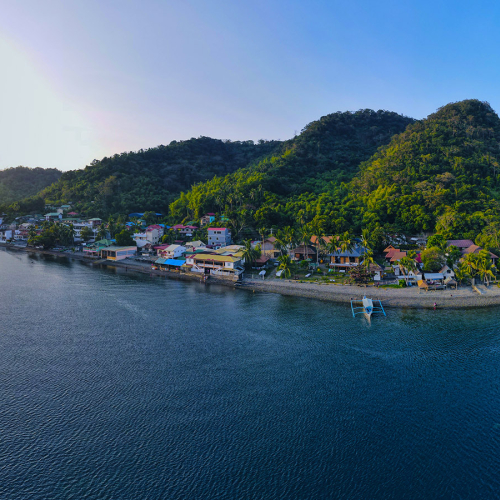
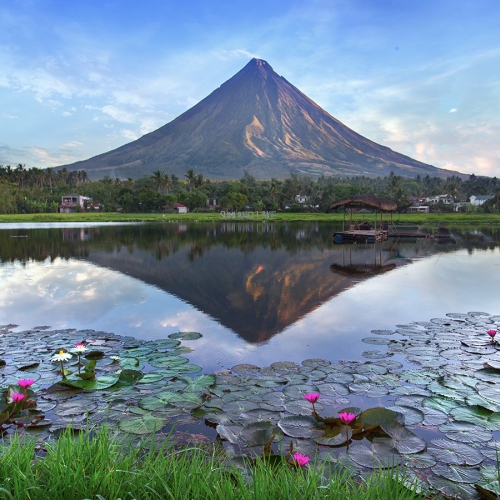
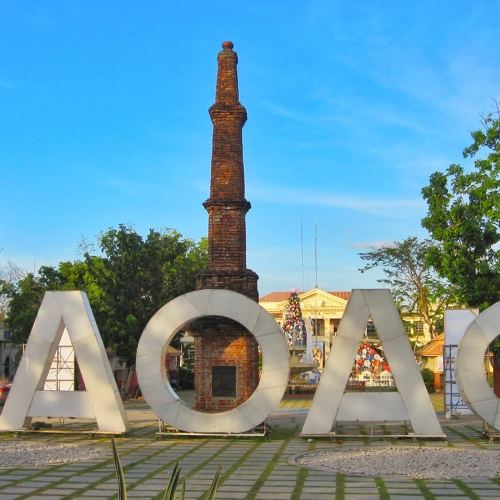
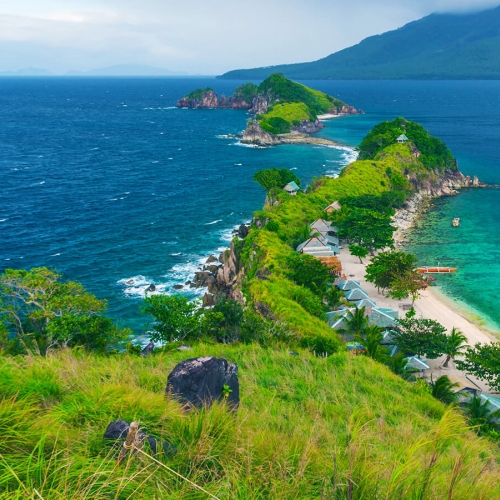
Tanay, Rizal is a perfect place to escape from the busy hustles in the metro. It offers a unique dimension that may be extra attractive for outdoor junkies and nature lovers. Here’s a quick guide on why Tanay, Rizal should be your next go-to place when you’re stressed.
The abundance of pines in Baguio city has resulted in the nickname “City of Pines.” Additionally, thanks to its relatively cooler climate, it is dubbed as the Summer Capital of the Philippines.
Pagudpud will take your breath away with its luscious beaches, seas, green hills, rice paddies, and even historical sites. Aside from the astonishing sites, Ilocanos will give you their warm welcome and hospitality as you enjoy your stay.
Basking in the radiant sun is one of the things Panglao island is best known for. In the nighttime, the island transforms into a party place central where Filipinos and foreigners alike mingle.
Calicoan Island is situated in a town in Guiuan that is located in the Eastern Samar province. The Island is bounded by Leyte Gulf on the west side and the Pacific Ocean on the east side. The place comes with rich biodiversity.
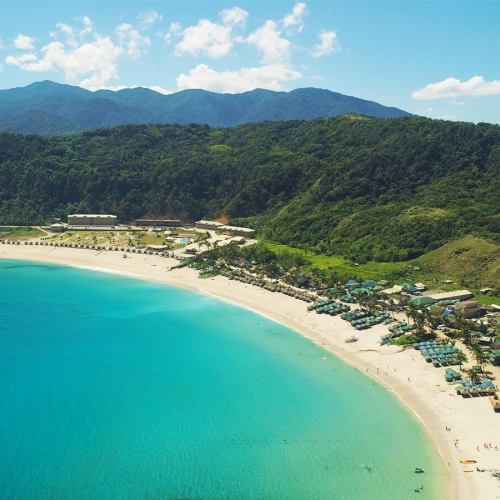
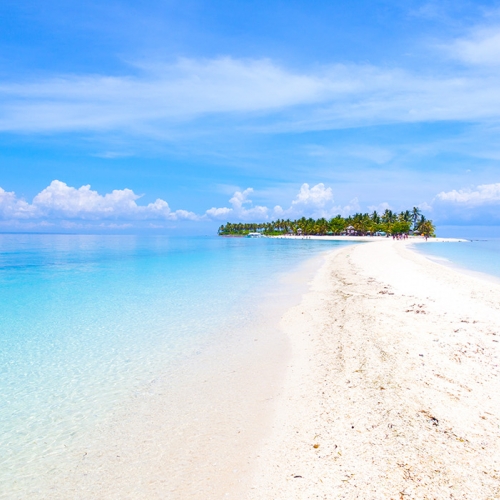
Calaguas Island powdery white sand can rival Boracay's, and the clear, cerulean waters have been one of the reasons why beach adventurers go to this place.
Nestled within the thriving Clark Freeport Zone in Pampanga, Clark Global City (CGC) is a master-planned metropolis that combines modern business districts, leisure parks, and entertainment hubs—making it one of Central Luzon’s fastest-rising destinations.
Dubbed as the "Sugar Bowl of the Philippines," and "The Gateway to Sugarlandia," Bacolod is a highly progressive and the richest elite city in Negros Occidental
The island boasts epic waterfalls, enchanting caves and trees, white sand beaches, and gorgeous diving spots. Even without the tales of sorcery and faith healers, Siquijor is indeed magical.
Balabac is composed of 31 islands that are yet to be inhabited. It is known for its rich marine life, pink sand beaches, endemic mouse-deer (yes, these exist!), and colored corals.
Being situated near the bodies of water, alongside the abundance of marine life, they eventually established their name and became the “Seafood Capital of the Philippines.”